Collections and Charge-Offs
Collection Accounts Don't Have to Be a Mystery
A collection account or charge-off can narrow your financial choices. Learn what these entries mean and what options you may have. See what the lenders see.
A collection account or charge-off usually shows up after a debt becomes seriously past due or gets handed to a third party for collection. These entries can complicate a car loan, mortgage, apartment, or other credit application — and they cause real stress when you don't recognize the account, disagree with the amount, or believe the status is wrong.
El Paso Credit Repair helps you understand the collection accounts and charge-offs on your reports. We review the account details, explain how these entries are reported, and talk about whether the information looks inaccurate. We don't promise a collection entry will be removed or that a creditor will change its reporting — accurate information generally stays, even when it's unfavorable.
In the El Paso area, collection accounts and charge-offs often trace back to a life event — a medical bill from a hospital stay, a broken lease during a military move to or from Fort Bliss, a card that got away from you during a job change. Before you answer any collector, it helps to know exactly what's being claimed: the original creditor, the amount, the dates, and whether the account is really yours. We walk through each entry with you first.
These are actual results from past clients, previously shared on Instagram. Every credit file is different, so treat these as examples of what the process can look like, not as a promise of what yours will do.
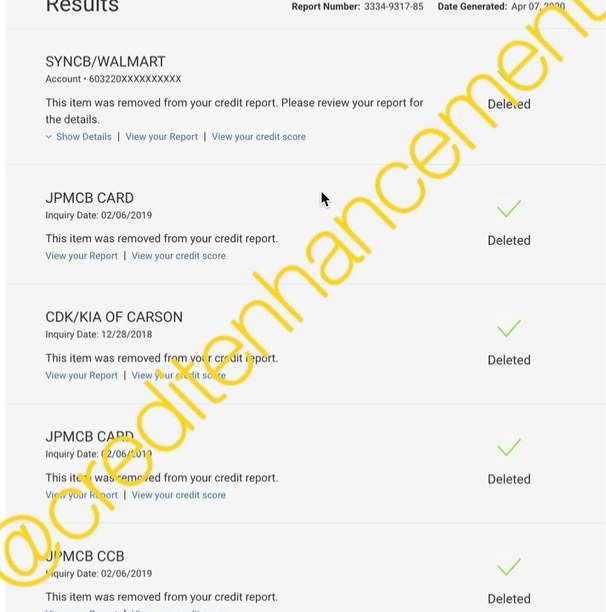
Five items — a store card account and four hard inquiries — were deleted from a client's Experian report in April 2020.
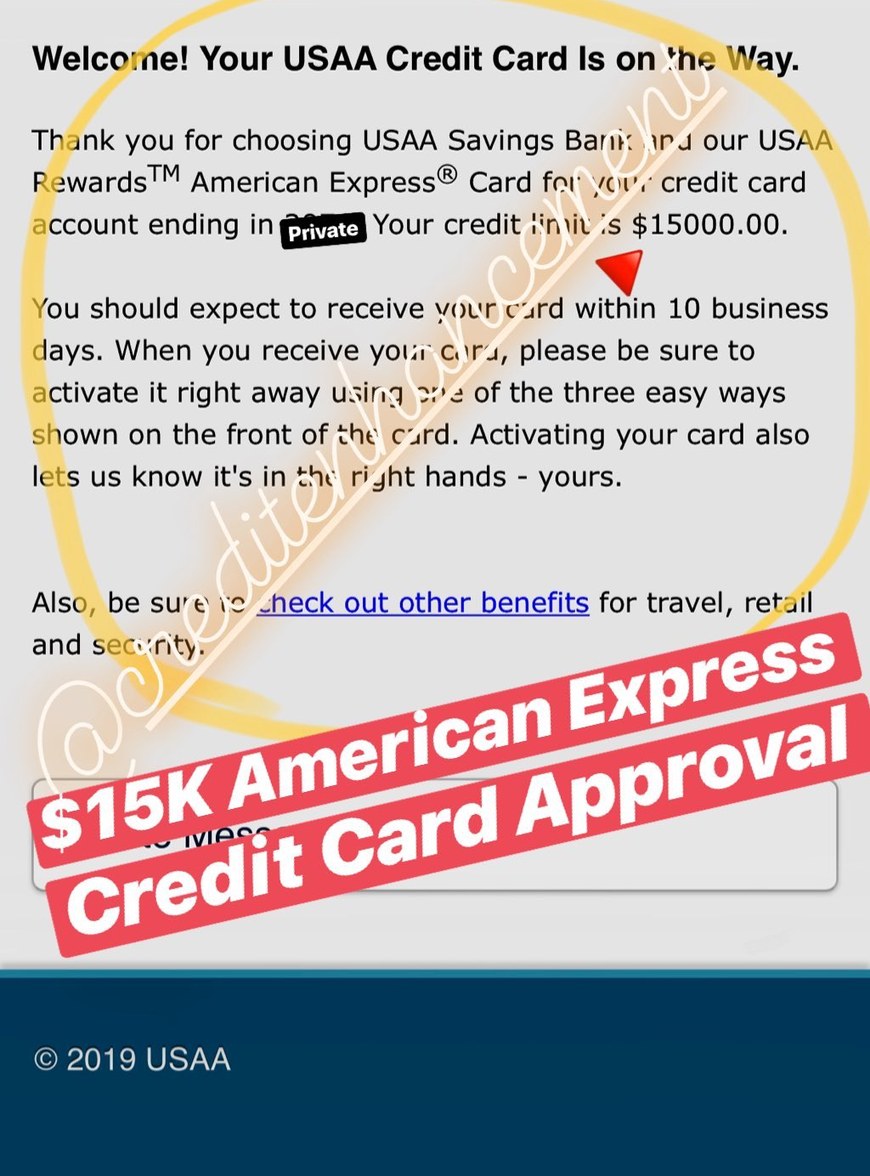
Client approved for a USAA Rewards American Express card with a credit limit of 15,000 dollars, June 2019.
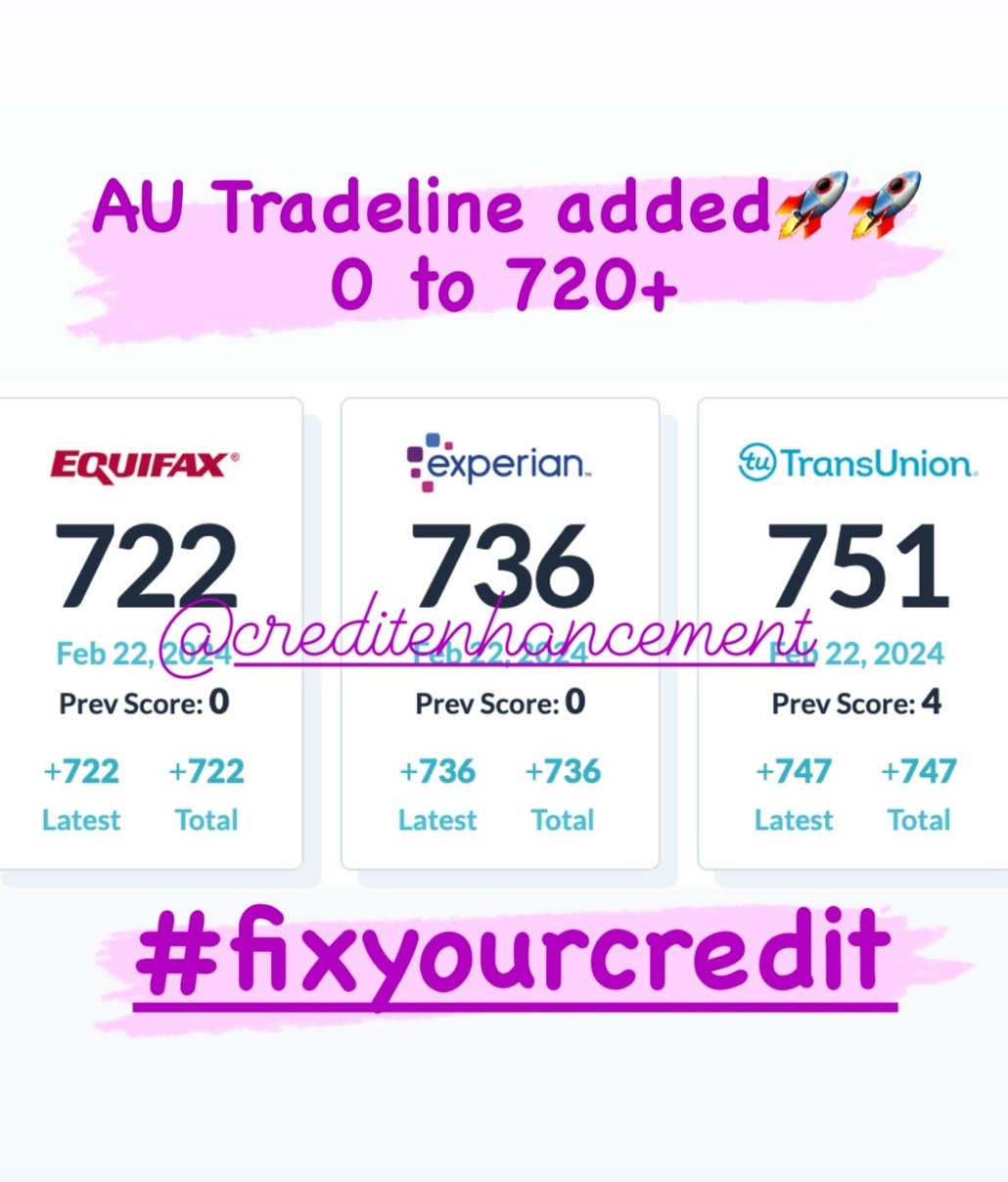
Authorized-user tradeline added: Equifax 722, Experian 736, TransUnion 751 from no credit history, February 2024.
Results vary from person to person and depend on what is in each credit file. Nothing here promises a particular score increase or deletion.
A collection you don't recognize, or an amount that doesn't match your records, is hard to deal with until you can see what the bureaus actually have on file. One dollar opens all three reports — Equifax, Experian, TransUnion — so you read the entries yourself before deciding what to do about them.
The entry on the page is the fact. Everything else is guessing.
$1 with MyScoreIQ gets you a week with your scores. Keeping it on costs $34.99 a month — cancel whenever you like.
Collection accounts and charged-off debts don't all look the same on a report. We help you tell them apart and spot accuracy concerns.
The reported creditor, ownership details, balance, and account status shown for each collection account.
What a charge-off means in credit reporting, and how it differs from an active collection account.
Reported balances, payment history, and the dates tied to collection or charge-off entries.
Whether an entry holds inaccurate information that may be worth disputing with the bureau or the furnisher.
Responsible ways to communicate with creditors, review payment arrangements, and keep accurate records.
Different creditors, balances, and reporting histories can be tangled together. We sort out the details before anything else.
We look for information that is actually inaccurate — we don't suggest every collection entry can be removed.
Common collection terminology, explained — and help preparing for conversations with creditors or collectors.
We go over the collection or charge-off entries on your credit reports.
We check account ownership, balances, dates, and reporting status together.
We flag information that looks inaccurate, incomplete, or inconsistent with your records.
We lay out possible dispute options, communication strategies, and practical credit habits.
If the entry is inaccurate — wrong amount, wrong dates, wrong consumer — it can be disputed with the bureau or the furnisher. Accurate collection information generally stays on the report even when it's unfavorable.
Paying may change the account's status, but it doesn't automatically remove the entry. The reporting rules decide how long accurate information remains.
It helps to understand the account details and your rights first. We can go over common collection terminology and what to consider before you make contact.
A charge-off with inaccurate information can be challenged through a factual dispute. Accurate charge-off information generally stays on the report even when it's unfavorable.
Let's review your options together. Call (915) 205-6080.